A performance management system configured to each organisation's policy.
An internal staff performance system, not publicly accessible, in use within five Namibian organisations. The engagement was delivered by LOTS, a consultancy based in Windhoek, with CID providing the user experience and interface design.
Because each organisation evaluates performance according to its own policies and procedures, the system was configured for every client rather than imposing a single process, and was designed specifically to reduce bias in appraisal.
Performance management is not one size fits all
Every organisation evaluates its people differently, review cycles, scorecards, rating scales, KPI weightings and approval chains are all written into different HR policies.
Generic systems force one fixed process onto everyone. Organisations fall back on spreadsheets and paper, and appraisal becomes subjective: ratings depend on a manager's memory at year end rather than evidence. Recency bias, the halo effect, leniency and missing evidence all creep in.
Understanding five organisations before designing one system
Stakeholder interviews
HR officers, line managers, executives and employees on how objectives are set, reviewed and rated.
Policy & document review
Performance policies, appraisal forms and balanced scorecards compared side by side.
Process mapping
As is maps of each performance cycle, approvals and hand offs.
Rules must be configurable, not hard coded.
Evidence must live next to each objective.
The weakest KPI should suggest what to learn next.
Progress and budgets were compiled by hand.
HR teams, managers and employees need a performance system that follows their own policies and evaluates people on evidence, because a fixed, generic process produces biased appraisals and manual workarounds.
How might we…
…let each organisation set its own cycle, rating scale, weightings and approval chain, without custom code?
…reduce bias in evaluation so employees trust the outcome of their appraisal?
…make evidence part of every rating, captured throughout the year?
…combine self, manager and peer views through 360° feedback?
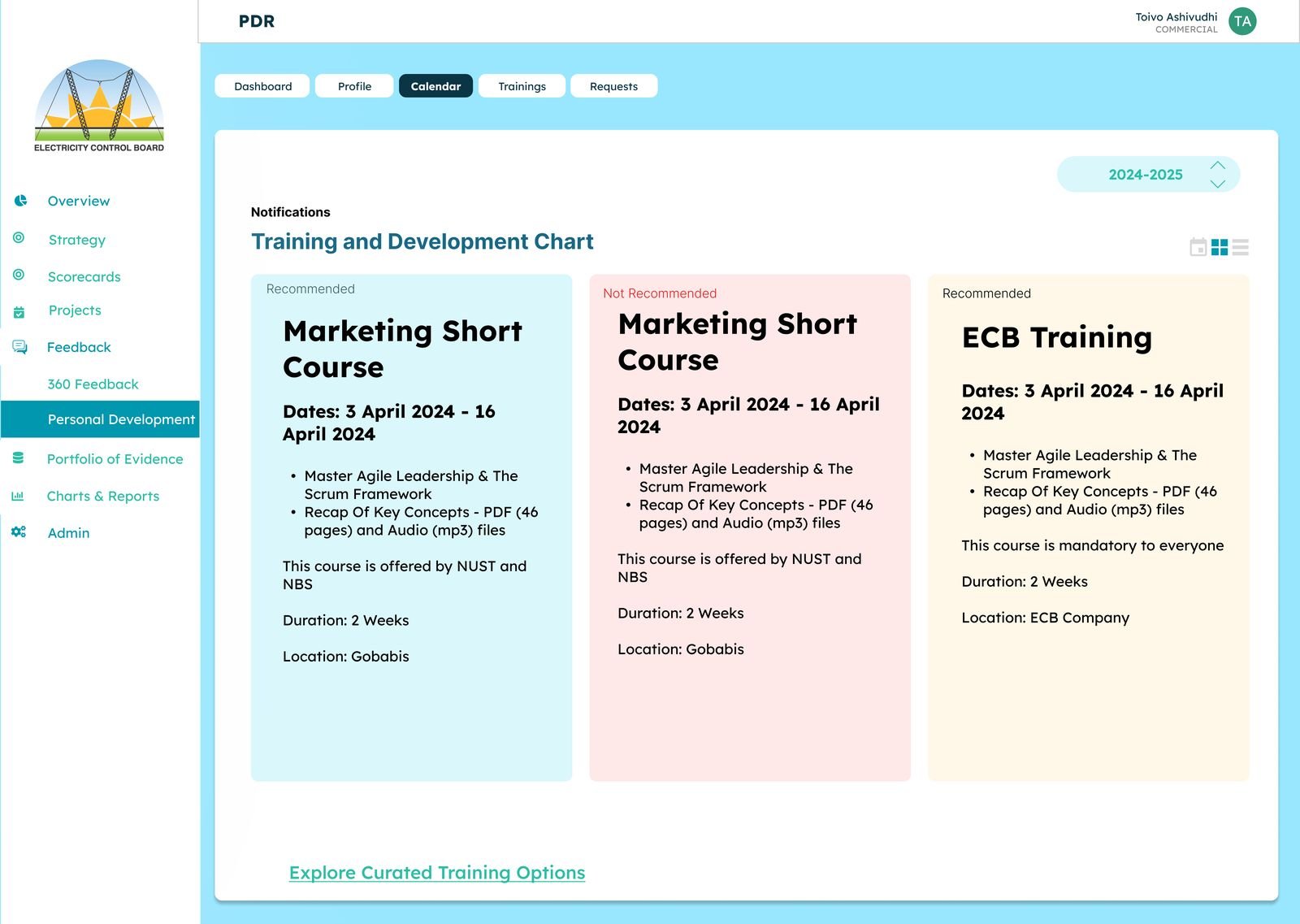
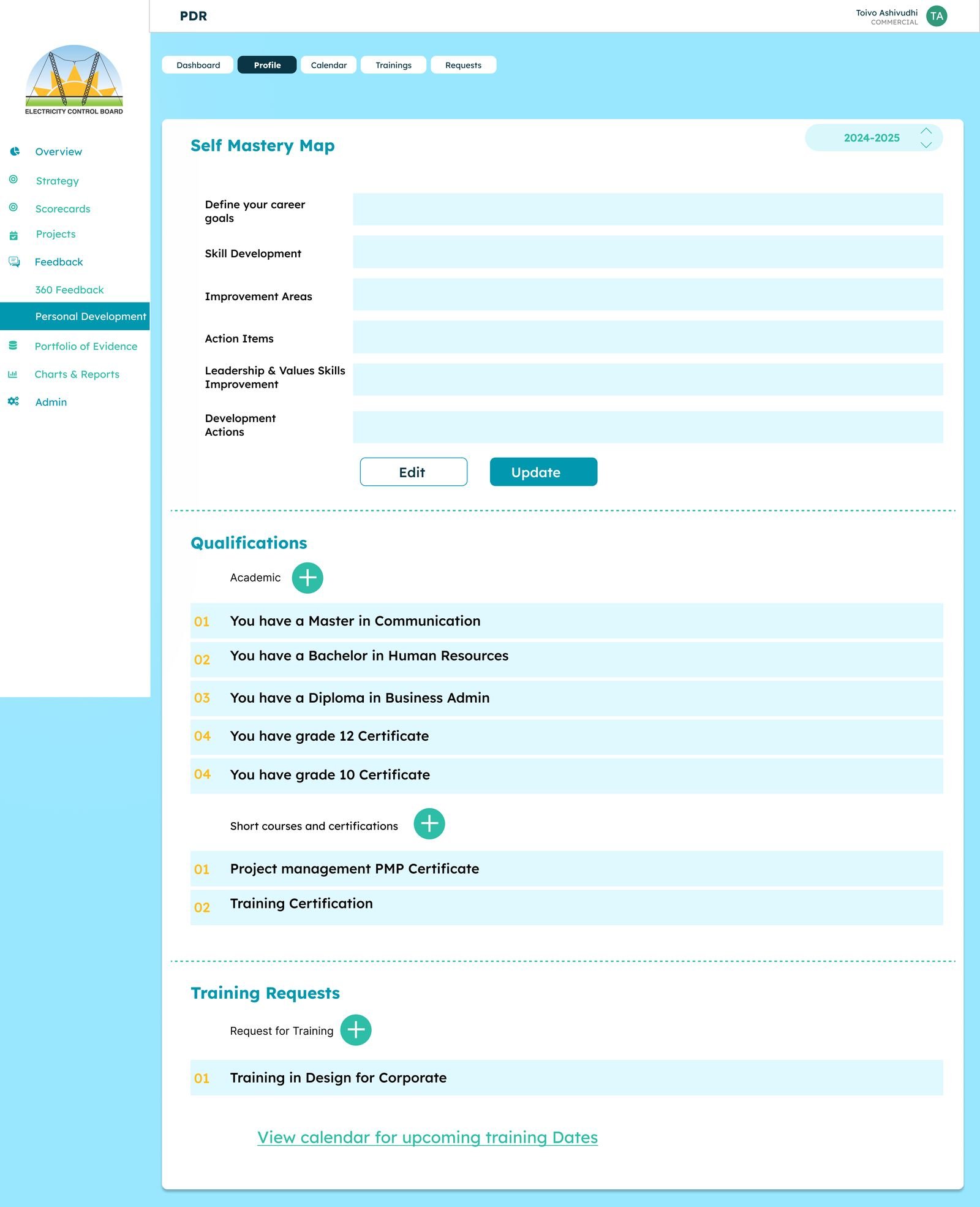
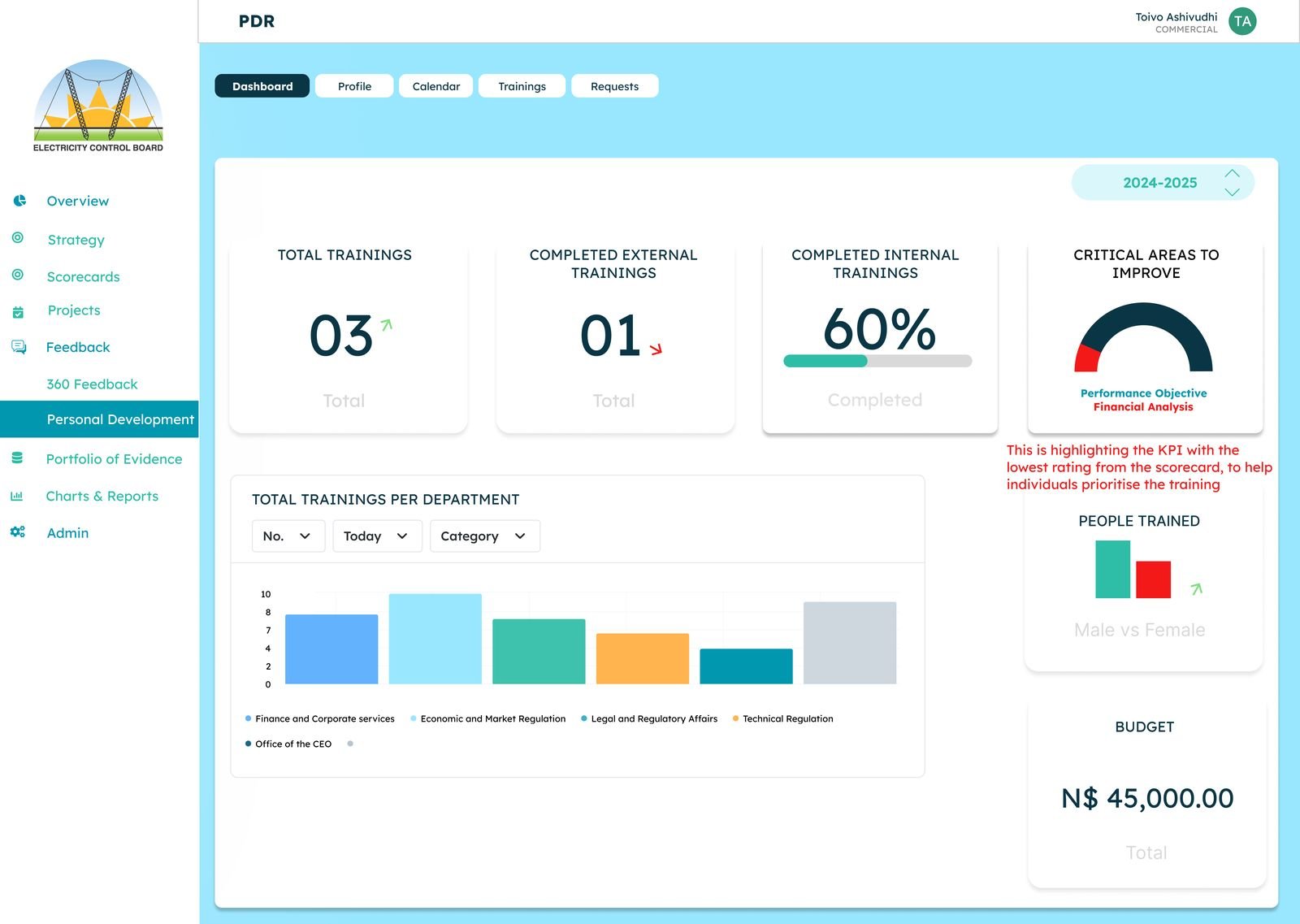
…turn appraisal results into a development plan that targets the weakest KPI?
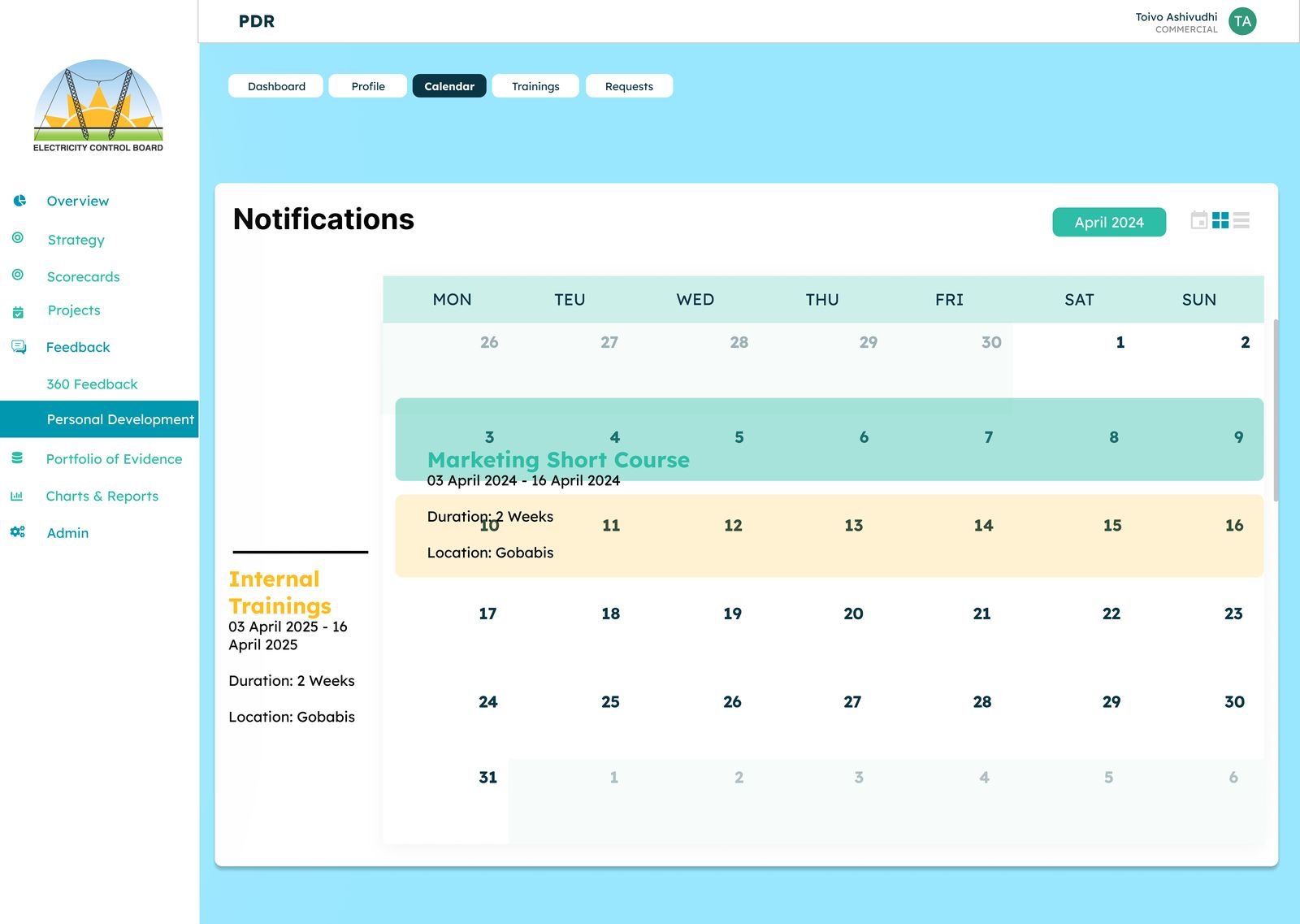
…give HR a live view of performance, training and budget across departments?
A shared core with a configurable policy layer
One core journey, Strategy, Scorecards, Evidence, 360° Feedback, Appraisal, Development, with an admin layer where each organisation switches on its own rules.
Figma
Wireframes, a component library with light- and dark mode versions of every component, and a theme per organisation, so one design file served all five deployments.
Illustrator
Navigation icon set and the performance cycle diagrams used in HR workshops.
Photoshop
Client assets, sketch clean up and presentation mockups for stakeholders.
The Personal Development module